When it comes to maintaining a comfortable home environment, understanding the lifespan of your whole house air conditioner is essential. Homeowners often overlook the importance of knowing how long their air conditioning units are expected to last, which can lead to unexpected breakdowns and costly repairs. A well-functioning air conditioner not only keeps your living space cool during the sweltering summer months but also plays a crucial role in maintaining indoor air quality and overall comfort.The average lifespan of an air conditioning unit can vary significantly based on several factors, including the type of system installed, the quality of installation, and the level of maintenance it receives. For instance, traditional central air conditioning systems typically last around 15 years, while more advanced systems like ductless mini-splits can extend their lifespan to 20 years or more with proper care.
Understanding these differences is vital for homeowners who want to make informed decisions about their HVAC systems.Moreover, recognizing the signs that indicate your air conditioner may be nearing the end of its life can save you from discomfort and financial strain. Frequent repairs, inconsistent cooling, and rising energy bills are all red flags that should prompt you to consult with a qualified AC installation company. By being proactive and informed about your air conditioning unit's lifespan, you can ensure that your home remains a sanctuary of comfort for years to come.
Average Lifespan of Different Types of Air Conditioners
When considering the average lifespan of air conditioning units, it’s essential to recognize that different types of systems come with varying expectations. Understanding these averages can help homeowners make informed decisions about their HVAC systems and plan for future replacements.Central Air Conditioning Systems
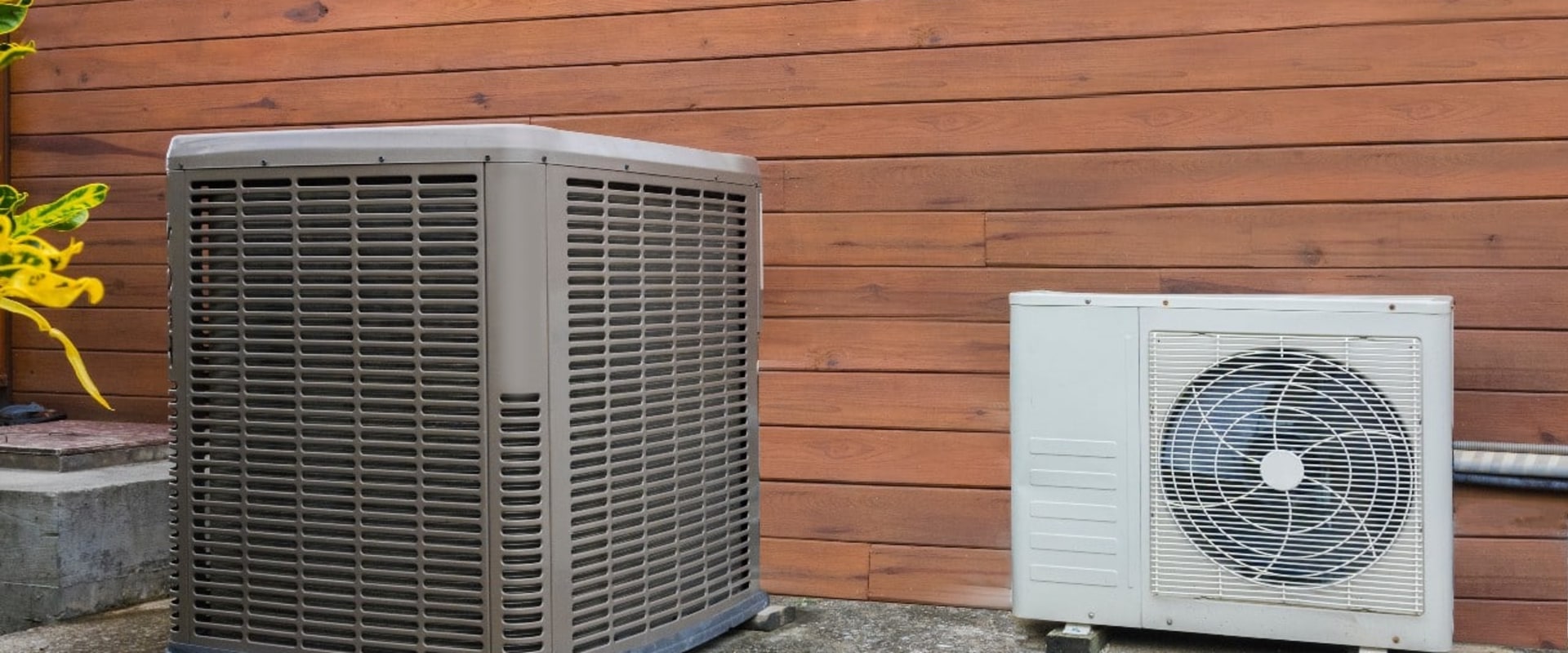
Central air conditioning systems are among the most common choices for whole-house cooling.Typically, these units have an average lifespan of 15 to 20 years. Factors such as usage, maintenance, and installation quality can significantly influence this range. Regular maintenance, including filter changes and annual inspections, can help extend the life of a central AC unit.
Heat Pumps
Heat pumps serve a dual purpose by providing both heating and cooling. When properly maintained, heat pumps can last betweenHeat pumps serve a dual purpose by providing both heating and cooling. When properly maintained, heat pumps can last between 20 to 25 years.Their longevity is often attributed to their efficient operation and the fact that they do not rely on combustion for heating. However, like central air conditioners, their lifespan can be affected by factors such as climate conditions and the frequency of maintenance.
Ductless Mini-Split Systems
Ductless mini-split systems are gaining popularity due to their flexibility and efficiency. These systems typically have a longer lifespan than traditional central units, averaging around 20 years. Their design allows for individual temperature control in different rooms, which can lead to less wear and tear compared to a centralized system.Regular cleaning of filters and outdoor units is crucial for maintaining their efficiency and longevity.
Factors Influencing Lifespan
- Usage: The more frequently an AC unit is used, the more wear it experiences.
- Maintenance: Regular upkeep is vital; neglected units tend to fail sooner.
- Installation Quality: A poorly installed system may not function optimally, leading to premature failure.
- Climate: Extreme weather conditions can put additional stress on HVAC systems.
Factors Influencing Air Conditioner Lifespan
Understanding the factors that influence the lifespan of your air conditioning unit is crucial for homeowners looking to maximize their investment. Several elements come into play, including usage patterns, maintenance practices, installation quality, and environmental conditions.Usage Patterns
The frequency and manner in which you use your air conditioner significantly affect its longevity. For instance, if you run your AC continuously during peak summer months, it will naturally experience more wear and tear compared to a unit that is used sparingly.Additionally, setting your thermostat to extreme temperatures can put extra strain on the system. To enhance the lifespan of your air conditioner, consider:
- Using programmable thermostats to optimize cooling schedules.
- Avoiding drastic temperature changes.
- Utilizing fans to circulate air and reduce reliance on the AC.
Maintenance Practices
Regular maintenance is one of the most effective ways to extend the life of your air conditioning unit. Neglecting routine checks can lead to minor issues escalating into major problems. Key maintenance tasks include:- Changing air filters: Dirty filters restrict airflow and force the system to work harder, leading to premature failure.
- Cleaning condenser coils: Dust and debris can accumulate on coils, reducing efficiency and increasing energy consumption.
- Scheduling professional inspections: Annual check-ups by an experienced HVAC technician can identify potential issues before they become costly repairs.
Installation Quality
The quality of installation plays a pivotal role in determining how long your air conditioning unit will last.A poorly installed system may not operate efficiently, leading to frequent breakdowns and a shorter lifespan. To ensure proper installation:
- Hire a reputable AC installation company with a proven track record.
- Ensure that the unit is appropriately sized for your home; an oversized or undersized unit can lead to inefficiencies.
- Verify that all components are correctly connected and calibrated during installation.
Environmental Conditions
Your home's location and surrounding environment also impact your air conditioner's lifespan. For example, units in coastal areas may face corrosion due to salt in the air, while those in regions with extreme temperatures may experience additional stress. To mitigate these effects:- Consider protective measures such as installing a cover during off-seasons.
- Regularly inspect for signs of wear due to environmental factors.
The Role of Regular Maintenance in Extending Lifespan
Regular maintenance is crucial for ensuring that your air conditioning system operates efficiently and lasts as long as possible.Just like any other mechanical system, your AC unit requires attention and care to function optimally. Neglecting maintenance can lead to a host of problems, including decreased efficiency, higher energy bills, and ultimately, a shorter lifespan for your unit.
Why is HVAC Maintenance Important?
Maintaining your HVAC system is not just about keeping it running; it’s about enhancing its performance and reliability. Here are some key reasons why regular maintenance is essential:
- Improved Efficiency: A well-maintained air conditioner operates more efficiently, which can lead to lower energy costs.
- Extended Lifespan: Regular check-ups can help identify potential issues before they become major problems, prolonging the life of your unit.
- Better Air Quality: Routine maintenance helps ensure that your air filters are clean and functioning properly, which improves indoor air quality.
- Fewer Breakdowns: Regular inspections can catch minor issues early, reducing the likelihood of unexpected breakdowns during peak usage times.
AC Maintenance Tips
To keep your air conditioning system in top shape, consider the following maintenance tips:
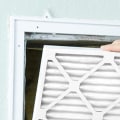
- Change Air Filters: Replace or clean your air filters every 1-3 months to ensure proper airflow and efficiency.
- Clean the Condenser Coils: Dust and debris can accumulate on the coils, reducing efficiency. Clean them at least once a year.
- Check the Drain Line: Ensure that the condensate drain line is clear to prevent water damage and mold growth.
- Inspect Ductwork: Look for leaks or blockages in your ductwork that could hinder airflow.
- Scheduling Professional Inspections: Have a qualified HVAC technician perform a comprehensive inspection at least once a year to catch any potential issues early.
Maintenance Checklist
Create a maintenance checklist to help you stay on track with your AC upkeep.
Here’s a simple checklist you can follow:
- [ ] Change air filters
- [ ] Clean condenser coils
- [ ] Inspect drain line
- [ ] Check refrigerant levels
- [ ] Test thermostat functionality
- [ ] Schedule professional maintenance
Signs That Indicate It's Time to Replace Your Air Conditioner
As a homeowner, understanding when to replace your air conditioning unit is crucial for maintaining a comfortable living environment. While regular maintenance can extend the lifespan of your system, there are specific signs that indicate it may be time for a replacement. Recognizing these indicators early can help you avoid costly repairs and ensure your home remains cool during the hot months.- Frequent Breakdowns: If your air conditioner is breaking down often, it’s a clear sign that it’s struggling to function properly.
Frequent repairs can add up quickly, and if you find yourself calling an AC installation company more than once or twice a season, it may be more cost-effective to invest in a new unit.
- Inconsistent Cooling: An air conditioner that fails to cool your home evenly is another red flag. If certain rooms are warmer than others or if the unit is unable to maintain the set temperature, it may indicate that the system is losing its efficiency and effectiveness.
- Increased Energy Bills: A sudden spike in your energy bills can signal that your air conditioner is working harder than it should. As units age, they often become less efficient, leading to higher energy consumption. If you notice a significant increase in your utility costs without a corresponding change in usage, it might be time to consider a replacement.
- Age of the Unit: The average lifespan of a central air conditioning unit is around 15 to 20 years.
If your system is approaching or has surpassed this age, it’s wise to start planning for a replacement. Older units are not only less efficient but may also lack modern features that enhance comfort and energy savings.
- Strange Noises or Smells: Unusual sounds such as grinding, squealing, or hissing can indicate mechanical issues within the unit. Similarly, strange odors—especially musty or burning smells—can suggest electrical problems or mold growth. Both scenarios warrant immediate attention from an HVAC professional and could lead to the conclusion that replacement is necessary.
- Humidity Issues: An effective air conditioning system should help regulate humidity levels in your home.
If you notice excessive humidity or condensation on windows, it could mean that your unit is not functioning properly and may need replacing.
Choosing the Right AC Installation Company
When it comes to installing a new air conditioning system, choosing the right AC installation company is crucial for ensuring optimal performance and longevity of your unit. A professional installation not only guarantees that your system operates efficiently but also helps prevent potential issues that could arise from improper setup.Here are some key factors to consider when selecting an HVAC contractor:- Experience and Reputation: Look for companies with a solid track record in the industry. Check online reviews, testimonials, and ratings on platforms like Google and Yelp.
A reputable company will have positive feedback from previous customers, indicating their reliability and quality of service.
- Licensing and Insurance: Ensure that the installation company is properly licensed and insured. This protects you from liability in case of accidents during the installation process. A licensed contractor also demonstrates that they meet the necessary standards and regulations in your area.
- Certifications: Many manufacturers offer certifications to contractors who have undergone specific training. Look for companies that are certified by major HVAC brands, as this often indicates a higher level of expertise and knowledge about their products.
- Estimates and Pricing: Obtain multiple estimates from different contractors to compare pricing.
Be wary of quotes that seem too low, as they may indicate subpar materials or services. A reputable company will provide a detailed estimate that outlines all costs involved in the installation process.
- Warranty and After-Sales Support: Inquire about warranties on both the equipment and the installation work. A good contractor will stand behind their work and offer support if any issues arise after installation.
Additionally, proper installation can significantly enhance energy efficiency, leading to lower utility bills over time.In conclusion, taking the time to choose a qualified AC installation company can save you money and headaches in the long run. By considering factors such as experience, licensing, certifications, pricing, and warranty options, you can make an informed decision that will benefit your home’s comfort for years to come.
Frequently Asked Questions About Air Conditioner Lifespan
When it comes to the lifespan of your air conditioning unit, many homeowners have questions. Understanding these common queries can help you make informed decisions about maintenance and replacement. Here are some frequently asked questions regarding air conditioner lifespan:- What is the average lifespan of a whole house air conditioner?
Typically, a well-maintained central air conditioning unit can last between 15 to 20 years.However, factors such as usage, maintenance, and installation quality can significantly influence this lifespan.
- How can I extend the life of my air conditioner?
Regular maintenance is key to prolonging the life of your AC unit. This includes changing air filters every 1-3 months, scheduling annual professional inspections, and keeping the outdoor unit clear of debris. - What signs indicate that my air conditioner needs to be replaced?
If you notice frequent breakdowns, inconsistent cooling, rising energy bills, or unusual noises and smells coming from your unit, it may be time to consult an HVAC professional for a replacement assessment. - Does the brand of air conditioner affect its lifespan?
Yes, different brands have varying reputations for reliability and durability. Investing in a reputable brand with good reviews can lead to a longer-lasting unit. - How does climate impact my air conditioner's lifespan?
Extreme weather conditions can put additional strain on your AC unit. For instance, units in coastal areas may suffer from corrosion due to salt in the air, while those in extremely hot climates may experience more wear and tear.
Regular maintenance and awareness of your unit's performance are essential for ensuring a long lifespan.
Conclusion: Key Takeaways on Air Conditioner Lifespan and Maintenance
In summary, understanding the lifespan of your whole house air conditioner is crucial for homeowners looking to maximize their investment. The average lifespan of these units typically ranges from 10 to 20 years , influenced by various factors such as usage, maintenance, installation quality, and environmental conditions.Key takeaways
from our discussion include:
- Regular Maintenance: Consistent upkeep is essential. Regularly changing air filters, cleaning condenser coils, and scheduling professional inspections can significantly extend the life of your air conditioning unit.
- Quality Installation: The expertise of the AC installation company you choose plays a vital role in your system's longevity. A poorly installed unit may lead to inefficiencies and premature failures.
- Environmental Factors: Your home's location and climate can affect your air conditioner's performance.
For instance, units in coastal areas may face corrosion due to salt in the air, while those in extreme climates may experience more wear and tear.
- Signs of Replacement: Be vigilant for signs that indicate it might be time for a new unit. Frequent breakdowns, inconsistent cooling, rising energy bills, and unusual noises are all red flags that should prompt a consultation with an HVAC professional.