When it comes to maintaining a comfortable living environment, understanding your specific cooling needs is paramount. The choice between window air conditioners and central air systems is not merely a matter of preference; it hinges on various factors unique to your home and lifestyle. Each option presents distinct advantages and disadvantages that can significantly impact your comfort, energy consumption, and overall satisfaction.Before diving into the details of these two popular air conditioning solutions, it's essential to assess your individual requirements. Consider the size of your home, the number of rooms you wish to cool, and how often you use each space.
For instance, if you live in a small apartment or a single room, a window air conditioner might suffice. However, if you have a larger home with multiple rooms that require consistent cooling, a central air system could be the more effective choice.Additionally, think about your budget and long-term plans. While window units may have lower upfront costs, central air systems often provide better energy efficiency over time. This can lead to significant savings on your utility bills, making it crucial to weigh initial expenses against potential long-term benefits.
Furthermore, consider how often you entertain guests or host family gatherings; a central air system can ensure that every corner of your home remains comfortable during those hot summer months.Ultimately, understanding your cooling needs is the first step in making an informed decision. By evaluating your home's layout, usage patterns, and financial considerations, you can better determine which air conditioning option aligns with your lifestyle. This foundational knowledge will serve as a guide as we explore the detailed comparisons between window air conditioners and central air systems in the sections that follow.
Overview of Window Air Conditioners
Window air conditioners are compact, self-contained units designed to cool individual rooms or small spaces. They are typically installed in a window frame, allowing for easy access to both the interior and exterior of a building.This design not only facilitates the cooling process but also helps in expelling hot air outside, making them an efficient option for localized cooling.
Benefits of Window Air Conditioners
- Cost-Effective: One of the most significant advantages of window AC units is their affordability. They generally have a lower initial purchase price compared to central air systems, making them an attractive option for budget-conscious consumers.
- Energy Efficiency: Window air conditioners often consume less energy than central systems, especially when cooling smaller areas. Many models come with energy-saving features, such as programmable timers and adjustable thermostats, which can help reduce electricity bills.
- Easy Installation: The installation process for window AC units is relatively straightforward. Most homeowners can install them without professional help, although hiring an AC installation company can ensure proper setup and optimal performance.
- Portability: Unlike central air systems, window units can be easily removed and relocated.
This feature is particularly beneficial for renters or those who may want to move their unit from one room to another.
- Targeted Cooling: Window air conditioners allow users to cool specific areas of their home rather than the entire house. This targeted approach can lead to significant energy savings and increased comfort in frequently used spaces.
Installation Process
The installation of a window air conditioner typically involves several key steps:
- Selecting the Right Size: Before installation, it’s crucial to choose a unit that matches the size of the room. An undersized unit will struggle to cool the space, while an oversized unit may cycle on and off too frequently, leading to inefficiency.
- Preparing the Window: Ensure that the window frame is clean and free from obstructions. It’s also important to check that the window can support the weight of the AC unit.
- Securing the Unit: Carefully lift the window air conditioner into place and secure it according to the manufacturer’s instructions.
Most units come with brackets or support frames that help stabilize them within the window frame.
- Sealing Gaps: After installation, seal any gaps around the unit with weather stripping or foam insulation to prevent air leaks and improve efficiency.
Pros and Cons of Window Air Conditioners
When considering air conditioning options, window air conditioners (ACs) present a unique set of advantages and disadvantages that can significantly influence your decision. Understanding these factors is crucial for making an informed choice that aligns with your needs and budget.Advantages of Window Air Conditioners
- Cost-Effective Installation: One of the most appealing aspects of window AC units is their affordability. The initial purchase price is generally lower than that of central air systems, making them an attractive option for those on a tight budget.
- Energy Efficiency: Window units are often more energy-efficient for cooling single rooms or small spaces.
They consume less electricity compared to running a central air system to cool an entire house, which can lead to lower utility bills.
- Easy Installation: Installing a window AC is typically a straightforward process that many homeowners can handle themselves. This ease of installation can save you money on labor costs associated with hiring an AC installation company.
- Portability: Window units can be removed and relocated, allowing you to take them with you if you move or simply want to change their location within your home.
- Targeted Cooling: These units allow for precise temperature control in specific areas, making them ideal for homes where only certain rooms are used frequently.
Disadvantages of Window Air Conditioners
- Limited Cooling Capacity: Window ACs are designed to cool individual rooms, which means they may not be sufficient for larger spaces or multi-story homes. This limitation can lead to uneven cooling throughout your living area.
- Noisy Operation: Many window units can be quite noisy during operation, which may be disruptive, especially in quiet environments or during nighttime use.
- Aesthetic Impact: Some homeowners find that window ACs can detract from the appearance of their windows and overall home design. This visual impact may be a concern for those who prioritize aesthetics.
- Seasonal Removal: In colder months, window units often need to be removed or covered to prevent heat loss and damage from the elements, adding an extra step to seasonal maintenance.
Weighing these pros and cons will help you determine if a window AC is the right choice for your cooling needs.
Overview of Central Air Conditioning Systems
Central air conditioning systems are designed to cool an entire home or building through a network of ducts. Unlike window units that only cool individual rooms, central AC provides a more uniform temperature throughout the space, making it a popular choice for larger homes or those seeking consistent comfort.How Central Air Conditioning Works
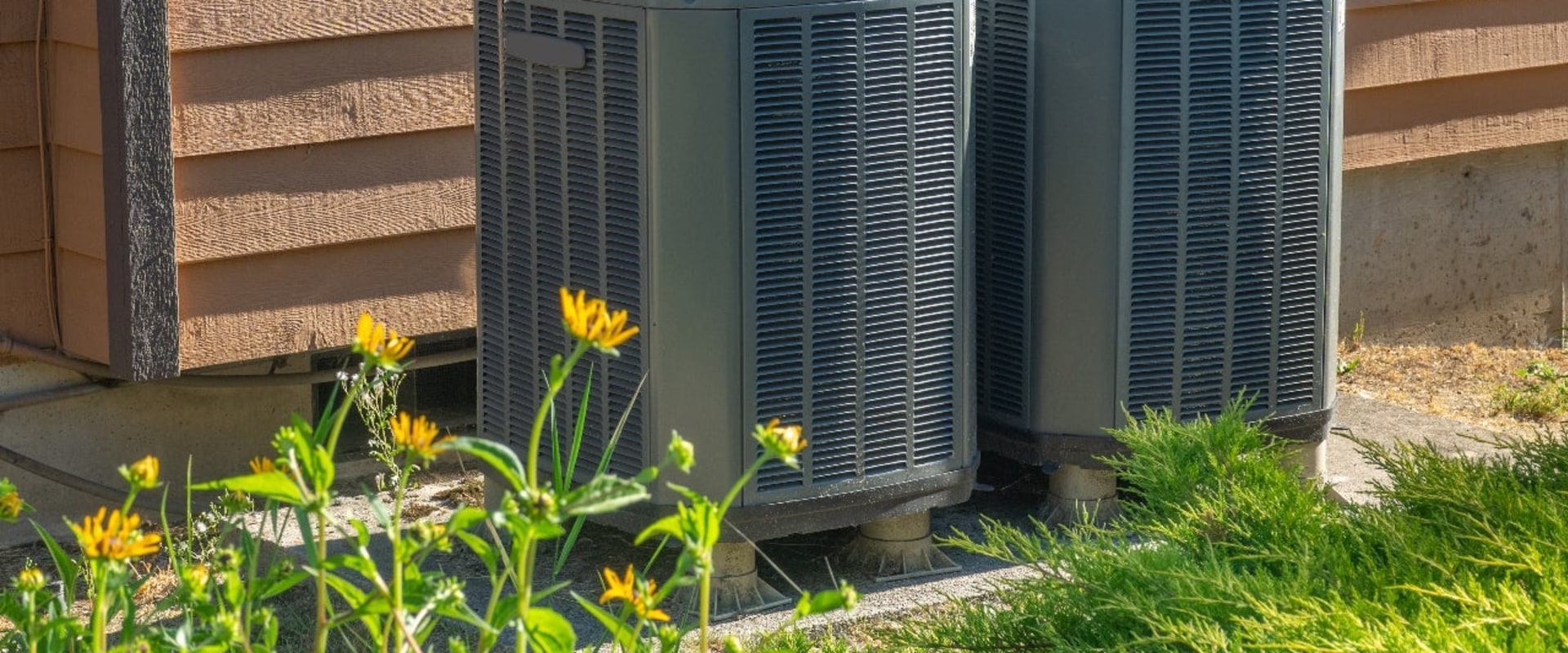
At the heart of a central air conditioning system is the air conditioner itself, which typically consists of two main components: the outdoor unit and the indoor unit. The outdoor unit houses the compressor and condenser, while the indoor unit contains the evaporator coil and air handler. Here’s a brief overview of how these components work together:
- Cooling Cycle: The system begins by drawing warm air from inside your home through return ducts.
This air passes over the evaporator coil, where it is cooled by refrigerant.
- Heat Exchange: The refrigerant absorbs heat from the air and evaporates into a gas. This gas is then pumped to the outdoor unit.
- Condensation: In the outdoor unit, the gas is compressed and cooled back into a liquid state, releasing heat into the outside air.
- Distribution: The cooled air is then circulated back into your home through supply ducts, maintaining a comfortable indoor environment.
Benefits of Central Air Conditioning
Choosing a central air conditioning system comes with several advantages:
- Efficiency: Central AC systems are generally more energy-efficient than multiple window units, leading to lower energy bills.
- Comfort: They provide consistent cooling throughout your home, eliminating hot spots and ensuring even temperature distribution.
- Aesthetics: With no bulky units in windows, central AC maintains your home's exterior appearance and allows for unobstructed views.
- Air Quality: Central systems often include filters that improve indoor air quality by removing dust, allergens, and other pollutants.
The Installation Process
The installation of a central air conditioning system typically involves several steps:
- Assessment: An HVAC professional will evaluate your home’s size, layout, and insulation to determine the appropriate system size and type.
- Ductwork Installation: If your home does not already have ductwork, new ducts will need to be installed to distribute cool air effectively.
- Unit Placement: The outdoor unit must be placed in a location that allows for proper airflow and accessibility for maintenance.
- Final Setup: Once everything is in place, the system will be connected to your thermostat and tested to ensure optimal performance.
Pros and Cons of Central Air Conditioning Systems
When considering a long-term investment in home cooling solutions, understanding the pros and cons of central air conditioning systems is crucial. These systems offer a range of benefits, but they also come with certain drawbacks that homeowners should carefully evaluate.Advantages of Central AC
- Whole-Home Comfort: Central air conditioning systems are designed to cool an entire home uniformly.
This means that every room can maintain a consistent temperature, eliminating hot or cold spots that are often found with window units.
- Energy Efficiency: Modern central AC units are typically more energy-efficient than older models or window units. They often come with higher SEER (Seasonal Energy Efficiency Ratio) ratings, which can lead to lower energy bills over time.
- Increased Home Value: Installing a central air conditioning system can enhance the overall value of your home. Potential buyers often view central AC as a desirable feature, making your property more attractive in the real estate market.
- Quieter Operation: Central air conditioning systems operate much more quietly than window units. The compressor is located outside the home, which significantly reduces noise levels indoors.
- Improved Air Quality: Central AC systems often include advanced filtration systems that can help reduce allergens and pollutants in the air, contributing to better indoor air quality.
Disadvantages of Central AC
- Higher Initial Cost: The upfront cost of purchasing and installing a central air conditioning system is generally higher than that of window units.
This includes not only the unit itself but also ductwork and installation fees.
- Complex Installation: Installing a central AC system can be a complex process that may require significant modifications to your home, especially if ductwork is not already in place.
- Maintenance Requirements: Central air conditioning systems require regular maintenance to operate efficiently. This includes changing filters, cleaning ducts, and scheduling annual professional inspections.
- Less Flexibility: Unlike window units, which can be easily moved from room to room, central AC systems are fixed installations. This means you cannot easily adjust cooling to specific areas without additional zoning systems.
Cost Comparison: Window vs.
Central Air ConditioningWhen it comes to selecting an air conditioning system, understanding the cost comparison between window units and central air conditioning is crucial. Both options come with their own set of expenses, which can significantly impact your budget.
Installation Costs
- Window Air Conditioners: The initial investment for window units is generally lower. Prices for these units can range from $150 to $800, depending on the brand, size, and features. Installation is often straightforward and can be done by the homeowner, which saves on labor costs.
- Central Air Conditioning: In contrast, central air systems require a more substantial upfront investment.
The cost of purchasing and installing a central air conditioning system typically ranges from $3,000 to $7,000 or more. This includes the price of the unit itself as well as professional installation by an AC installation company, which is essential for ensuring proper setup and efficiency.
Maintenance Costs
- Window Units: Maintenance for window air conditioners is relatively low. Basic upkeep includes cleaning or replacing filters every month and ensuring that the unit is free from debris. Annual servicing by a professional can cost around $100 to $200.
- Central Air Conditioning: Central systems require more extensive maintenance.
Regular check-ups are recommended at least once a year, with costs ranging from $150 to $300 per visit. Additionally, repairs can be more expensive due to the complexity of the system.
Energy Efficiency and Operating Costs
Another factor to consider is energy efficiency. Window units typically consume less energy than central systems when cooling a single room, making them more cost-effective for smaller spaces. However, if you need to cool multiple rooms or an entire home, central air conditioning may be more efficient in the long run despite its higher initial costs.In summary, while window air conditioners offer lower installation and maintenance costs, central air conditioning systems provide comprehensive cooling solutions for larger spaces at a higher price point.
Evaluating your specific needs and budget will help you make an informed decision.
Energy Efficiency and Environmental Impact
When considering air conditioning options, energy efficiency and environmental impact are crucial factors that can significantly influence your decision. Both window air conditioners and central air systems have varying levels of energy efficiency, which can affect not only your utility bills but also your carbon footprint.Energy Efficiency Ratings
Energy efficiency is typically measured using the Seasonal Energy Efficiency Ratio (SEER) for central air systems and the Energy Efficiency Ratio (EER) for window units. The higher the rating, the more efficient the unit is at cooling your space while consuming less energy.
- Window Air Conditioners: These units generally have EER ratings ranging from 8 to 12. A higher EER indicates better energy efficiency, which can lead to lower electricity costs during peak summer months.
- Central Air Conditioners: Central systems usually boast SEER ratings between 13 and 25. Investing in a unit with a higher SEER rating can result in significant savings over time, especially in larger homes where cooling demands are greater.
Environmental Impact
The environmental impact of your cooling system is another essential consideration. Air conditioning units contribute to greenhouse gas emissions, primarily through their energy consumption.
Choosing an energy-efficient model can help mitigate this impact.
- Refrigerants: Both window and central air conditioners use refrigerants to cool the air. Older models may use HCFCs, which are harmful to the ozone layer. Opting for newer models that utilize HFCs or even more eco-friendly alternatives can reduce environmental harm.
- Energy Source: The source of electricity powering your AC unit also plays a role in its environmental impact. If your home is powered by renewable energy sources like solar or wind, the overall carbon footprint of your cooling system decreases significantly.
Eco-Friendly Cooling Options
If you are particularly eco-conscious, consider exploring alternative cooling solutions such as:
- Evaporative Coolers: Also known as swamp coolers, these devices use water evaporation to cool the air and consume significantly less energy than traditional AC units.
- Geothermal Heat Pumps: These systems leverage the earth's stable underground temperature to provide efficient heating and cooling, making them an excellent long-term investment for environmentally aware homeowners.
By making informed choices, you can enjoy a comfortable living space while minimizing your ecological footprint.
Installation Considerations: DIY vs. Professional Help
When it comes to installing an air conditioning system, whether a window unit or central air, one of the most critical decisions you'll face is whether to tackle the installation yourself or hire a professional AC installation company. Each option has its own set of advantages and challenges that can significantly impact your overall experience and the efficiency of your cooling system.DIY Installation Tips
If you’re considering a DIY approach, there are several factors to keep in mind:- Research and Preparation: Before starting, thoroughly research the specific model you plan to install. Read the manufacturer’s instructions carefully and watch tutorial videos to familiarize yourself with the process.
- Tools and Equipment: Ensure you have all necessary tools on hand, such as screwdrivers, a level, and possibly a drill.
Having the right equipment can make the installation smoother.
- Safety First: Always prioritize safety. If you're working with electrical components, turn off power to the area. Use gloves and safety goggles as needed.
- Know Your Limits: If at any point you feel overwhelmed or unsure, it’s wise to stop and consult a professional. Some installations can be more complex than they appear.
Benefits of Professional Installation
While DIY can save money upfront, hiring an AC installation company offers several benefits that can outweigh those savings:- Expertise: Professionals have extensive training and experience, ensuring that your system is installed correctly and efficiently.
This expertise can prevent future issues that may arise from improper installation.
- Time-Saving: Installation can be time-consuming, especially for those unfamiliar with the process. Professionals can complete the job quickly, allowing you to enjoy your cool space sooner.
- Warranty Protection: Many manufacturers require professional installation for warranty coverage. By hiring an expert, you ensure that your warranty remains valid in case of future repairs.
- Safety Compliance: Professionals are knowledgeable about local building codes and regulations, ensuring that your installation meets all safety standards.
Maintenance Requirements for Both Systems
Maintaining your air conditioning system is essential for ensuring its longevity and efficiency.Both window air conditioners and central air conditioning systems require regular upkeep, but the maintenance tasks differ significantly between the two. Understanding these requirements can help you make informed decisions and keep your home cool during the hot months.
Window AC Maintenance
Window air conditioners are generally easier to maintain due to their compact design. Here are some key maintenance tips:- Clean or Replace Filters: The air filter in a window AC unit should be cleaned or replaced every month during peak usage. A clogged filter can restrict airflow and reduce efficiency.
- Check the Drainage: Ensure that the drainage holes are clear of debris to prevent water buildup, which can lead to mold growth and unpleasant odors.
- Inspect the Coils: The evaporator and condenser coils should be cleaned at least once a year.
Dust and dirt can accumulate on these coils, hindering their ability to absorb and release heat.
- Seal Gaps: Check for any gaps around the unit where air might escape. Use weather stripping or caulk to seal these areas, improving energy efficiency.
Central AC Maintenance
Central air conditioning systems require a more comprehensive maintenance approach due to their complexity. Here are some essential maintenance tasks:- Regular Professional Inspections: Schedule annual inspections with an AC installation company. Professionals can identify potential issues before they become major problems.
- Change Filters: Similar to window units, central AC filters should be changed every 1-3 months, depending on usage and filter type.
- Clean Ducts: Over time, dust and allergens can accumulate in ductwork.
Consider having your ducts cleaned every few years to maintain good air quality.
- Check Refrigerant Levels: Low refrigerant levels can indicate leaks in the system. A professional should check these levels during routine maintenance.
<strong>Conclusion</strong>
In conclusion, the decision between window air conditioners and central air systems is not one to be taken lightly. Each option presents its own set of advantages and disadvantages that can significantly impact your comfort, energy efficiency, and overall costs. Understanding these factors is crucial in making an informed choice that aligns with your specific needs and lifestyle.For those who prioritize cost-effectiveness and flexibility, window air conditioners may be the ideal solution.They are generally less expensive to purchase and install, making them accessible for homeowners on a budget or those who live in smaller spaces. Additionally, their portability allows for easy relocation from room to room, providing targeted cooling where it’s needed most.On the other hand, if you are looking for a more comprehensive solution that can cool your entire home efficiently, investing in a central air conditioning system might be the better choice. While the initial investment is higher, central air systems often provide better long-term energy savings and increased property value. Furthermore, they offer the convenience of maintaining a consistent temperature throughout your home without the need for multiple units.Ultimately, the best approach is to assess your unique situation.
Consider factors such as:
- Your home’s size and layout
- Your budget for both installation and ongoing energy costs
- The climate in your area
- Your personal comfort preferences
- Future plans for your home