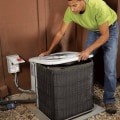
To fully appreciate the role of your air conditioning system, it’s essential to understand how these units operate and the various types available on the market. Air conditioners are designed to regulate indoor temperatures by removing heat and humidity from the air, creating a comfortable living environment. This process involves several key components, including the compressor, condenser, evaporator, and expansion valve, all working in tandem to ensure efficient cooling. At its core, an air conditioning system functions by circulating refrigerant through these components. The refrigerant absorbs heat from inside your home and releases it outside, effectively lowering the indoor temperature.
This cycle is crucial for maintaining a consistent and comfortable climate, especially during the sweltering summer months. Understanding this process not only helps you appreciate your AC unit but also highlights the importance of proper usage and maintenance. There are several types of air conditioning systems available, each suited for different needs and preferences. Central air conditioning systems are ideal for cooling entire homes, utilizing a network of ducts to distribute cool air evenly. On the other hand, window units and portable air conditioners offer more localized cooling solutions for individual rooms or smaller spaces.
Additionally, ductless mini-split systems provide flexibility by allowing homeowners to control temperatures in specific areas without the need for extensive ductwork. By familiarizing yourself with these systems and their functionalities, you can make informed decisions about your air conditioning usage. This knowledge is particularly valuable when considering how long to run your AC unit each day and understanding the potential impact on energy consumption and overall system longevity.
The Cost of Running Your AC All Day
When considering the cost of running an air conditioner all day, it’s essential to understand how energy consumption directly impacts your monthly electricity bills. Air conditioners are among the largest energy consumers in a household, and their operational costs can add up significantly over time.To grasp the financial implications, let’s break down the factors that contribute to these costs:- Energy Consumption: The amount of electricity your AC unit uses is measured in kilowatt-hours (kWh). The higher the kWh usage, the more you will pay on your energy bill.
For instance, a standard central air conditioning unit can consume between 2 to 5 kWh per hour, depending on its size and efficiency.
- Electricity Rates: Your local utility company sets the rates for electricity, which can vary widely based on location and time of year. During peak summer months, rates may increase due to higher demand, further inflating your bills if your AC is running continuously.
- Unit Efficiency: The efficiency of your air conditioning system plays a crucial role in determining operational costs. Units with a higher Seasonal Energy Efficiency Ratio (SEER) will use less energy to cool your home compared to older or less efficient models. Investing in a high-efficiency unit can lead to substantial savings over time.
- Wear and Tear: Continuous operation places significant strain on your air conditioning system.
Over time, this can lead to more frequent breakdowns and repairs, which can be costly. Regular maintenance is essential but may not be enough to prevent premature failure of components.
- Replacement Costs: An air conditioner that is overworked will have a shorter lifespan. While the average lifespan of an AC unit is around 15-20 years, constant use can reduce this significantly. When it comes time for replacement, you may face substantial expenses that could have been avoided with more mindful usage.
By understanding how energy consumption translates into higher electricity bills and recognizing the long-term costs associated with wear and tear on your unit, you can make more informed decisions about your cooling habits.
Impact on Air Conditioner Lifespan
When it comes to the longevity of your air conditioning unit, the way you operate it plays a crucial role. Constantly running your AC can significantly impact its lifespan, leading to a series of maintenance issues and increased costs for homeowners.Understanding Wear and Tear
Every air conditioning system is designed to handle a specific amount of usage. When you leave your AC on all day, it operates continuously, which accelerates the wear and tear on its components. Key parts such as the compressor, fan motors, and coils are subjected to prolonged stress, which can lead to premature failure.
Over time, this constant strain can result in:
- Increased Frequency of Repairs: As components wear out faster, you may find yourself needing repairs more often. This not only disrupts your comfort but also adds unexpected expenses to your budget.
- Higher Maintenance Costs: Regular maintenance is essential for any HVAC system, but when your AC runs continuously, it requires more frequent check-ups. This can lead to higher overall maintenance costs as technicians may need to address issues that arise from constant operation.
- Shortened Lifespan: The average lifespan of an air conditioning unit is typically around 10 to 15 years. However, if your system is consistently running without breaks, you might find that it fails well before reaching its expected lifespan.
Cost Implications for Homeowners
The financial implications of running your air conditioner all day extend beyond just the immediate energy bills.
Homeowners should consider the long-term costs associated with repairs and replacements. For instance:
- If your unit requires a major repair due to excessive wear, you could be looking at hundreds or even thousands of dollars in unexpected expenses.
- In some cases, the cost of frequent repairs may exceed the price of investing in a new energy-efficient model that could save you money in the long run.
Energy Efficiency Ratings and Their Importance
When selecting an air conditioning system, understanding energy efficiency ratings is crucial. One of the most important metrics to consider is the Seasonal Energy Efficiency Ratio (SEER).This rating measures the cooling output of an air conditioner over a typical cooling season divided by the total electric energy input during that same period. A higher SEER rating indicates a more energy-efficient unit, which can lead to significant savings on your electricity bills.For instance, air conditioners with a SEER rating of 14 or higher are considered efficient, while those with ratings below 13 are less efficient. Investing in a unit with a higher SEER can be beneficial in the long run, as it not only reduces energy consumption but also lessens the environmental impact.
Why SEER Ratings Matter
Understanding SEER ratings is essential for several reasons:- Cost Savings: Higher efficiency means lower energy bills. Over time, the savings can offset the initial investment in a more efficient unit.
- Environmental Impact: More efficient units consume less energy, which can help reduce your carbon footprint.
- Comfort Levels: Efficient systems often maintain more consistent temperatures and humidity levels, enhancing overall comfort in your home.
Maximizing Your AC's Efficiency
To get the most out of your air conditioning system, consider these energy-saving tips :- Regular Maintenance: Schedule annual maintenance checks with an AC installation company.
This ensures that your system runs efficiently and can help identify potential issues before they become costly repairs.
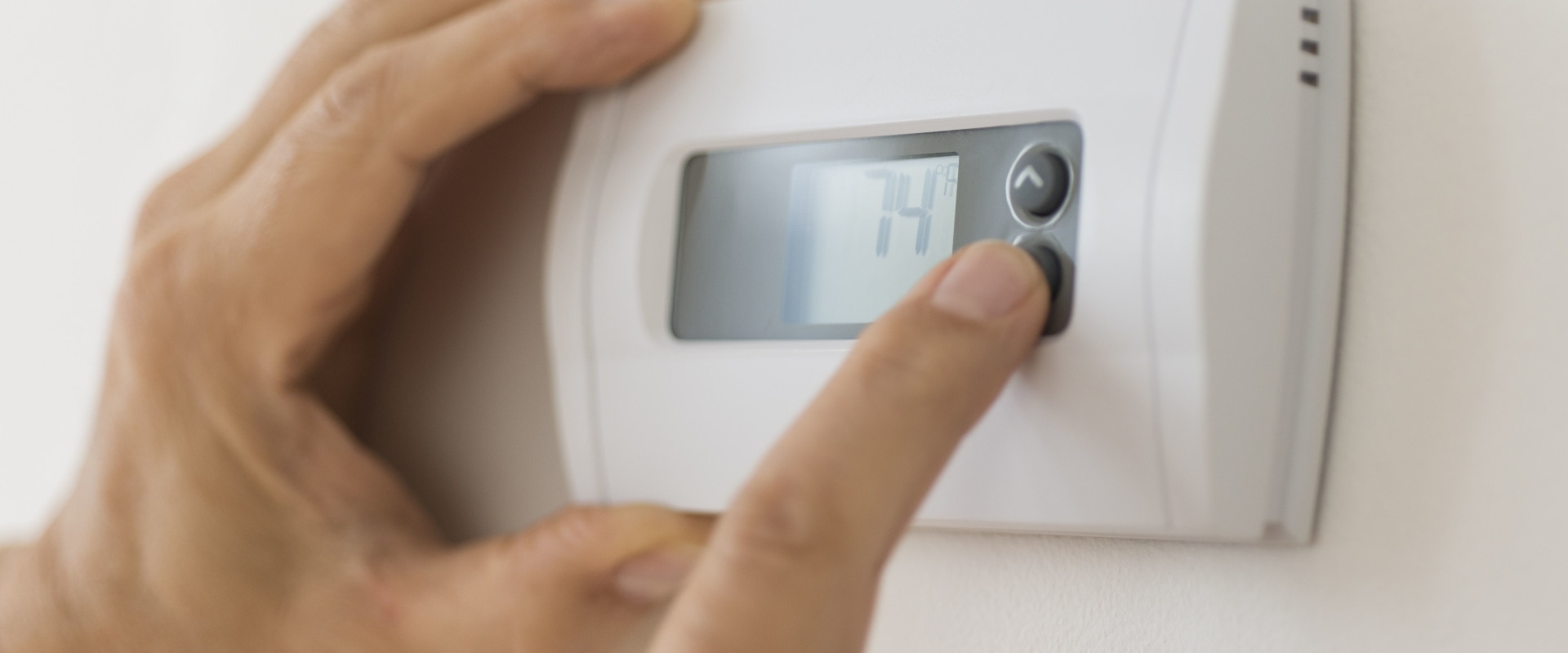
- Use Programmable Thermostats: Set your thermostat to adjust temperatures when you are not home. This prevents unnecessary cooling and saves energy.
- Seal Ducts and Insulate: Ensure that your ductwork is sealed properly and that your home is well-insulated. This minimizes cool air loss and improves efficiency.
- Utilize Ceiling Fans: Ceiling fans can help circulate cool air more effectively, allowing you to set your thermostat a few degrees higher without sacrificing comfort.
- Avoid Heat Sources: Keep blinds or curtains closed during the hottest parts of the day to reduce heat gain from sunlight.
Alternatives to Running Your AC All Day
While air conditioning is a popular method for keeping your home cool, there are several effective alternatives that can help you maintain comfort without the high energy costs associated with running your AC all day. Here are some practical cooling tips and energy-saving methods to consider:- Utilize Fans: Ceiling fans and portable fans can circulate air effectively, creating a wind-chill effect that makes you feel cooler.
Make sure to set ceiling fans to rotate counterclockwise in the summer to push cool air down.
- Close Blinds and Curtains: Sunlight streaming through windows can significantly increase indoor temperatures. Keep blinds and curtains closed during the hottest parts of the day to block out heat. Consider using reflective or blackout curtains for added insulation.
- Ventilation: Open windows during cooler parts of the day, such as early morning or late evening, to allow fresh air to flow through your home. Cross-ventilation can help reduce indoor temperatures naturally.
- Insulation and Sealing: Proper insulation in your home can keep cool air in and hot air out.
Check for gaps around windows and doors, and use weather stripping or caulk to seal any leaks.
- Use Energy-Efficient Appliances: If you need to use appliances that generate heat, such as ovens or dryers, try to do so during cooler times of the day. Opt for energy-efficient models that consume less power.
- Stay Hydrated: Drinking plenty of water helps regulate your body temperature. Keep a pitcher of cold water in the fridge or add ice cubes to your drinks for an instant cooling effect.
- Cool Showers: Taking a cool shower can lower your body temperature and provide immediate relief from the heat. This is especially effective after spending time outdoors.
Not only will this help lower your energy bills, but it will also extend the lifespan of your AC unit, allowing it to function efficiently when you do need it most.
Common Misconceptions About Air Conditioning Usage
When it comes to air conditioning, many homeowners are often misled by common myths that can lead to inefficient usage and increased costs. Understanding the truth behind these misconceptions is crucial for optimizing your home’s cooling system and ensuring its longevity.Myth 1: Leaving the AC on all day is more cost-effective.
One prevalent belief is that keeping your air conditioner running continuously will save money on energy bills. In reality, this can have the opposite effect. When an AC unit operates non-stop, it works harder to maintain a set temperature, leading to higher energy consumption.
Instead, consider using a programmable thermostat to adjust the temperature when you’re not home, allowing the system to rest and reduce energy usage.
Myth 2: Setting the thermostat to a very low temperature cools the house faster.
Many people think that cranking down the thermostat will expedite the cooling process. However, air conditioners cool at a consistent rate regardless of the thermostat setting. Setting it lower than necessary only results in unnecessary energy expenditure without any real benefit in cooling speed.
Myth 3: AC units don’t need maintenance if they’re working fine.
This misconception can lead to costly repairs down the line. Regular maintenance is essential for keeping your air conditioning system running efficiently.
Neglecting routine checks can result in decreased performance and increased wear on components, ultimately shortening the lifespan of your unit.
Myth 4: Closing vents in unused rooms saves energy.
While it may seem logical to close vents in rooms that aren’t used frequently, doing so can disrupt the balance of airflow in your home. This can cause your AC system to work harder, leading to inefficiencies and potential damage. Instead, focus on ensuring that all vents are open and unobstructed for optimal airflow.
Myth 5: Air conditioning is only necessary during extreme heat.
Some homeowners believe that they only need to use their AC during peak summer months. However, maintaining a comfortable indoor environment year-round is essential for health and well-being.
Even during milder weather, using your air conditioner can help control humidity levels and improve indoor air quality.By debunking these common myths about air conditioning usage, homeowners can make informed decisions that enhance efficiency and comfort while reducing costs. Always consult with a qualified AC installation company for personalized advice tailored to your specific needs and circumstances.
When to Call an AC Installation Company
Recognizing the right time to contact an AC installation company can significantly impact the longevity and efficiency of your air conditioning system. Ignoring early signs of trouble can lead to more severe issues down the line, resulting in costly repairs or even premature replacement of your unit. Here are some key indicators that it may be time to reach out for professional assistance.- Unusual Noises: If your air conditioner starts making strange sounds such as grinding, squealing, or banging, it’s a clear sign that something is amiss.
These noises often indicate mechanical issues that require immediate attention from an expert.
- Inconsistent Temperatures: When you notice that certain rooms in your home are warmer or cooler than others, it could mean that your AC system is struggling to distribute air evenly. This inconsistency can stem from ductwork problems or issues with the unit itself.
- Increased Energy Bills: A sudden spike in your energy bills without a corresponding increase in usage can signal that your air conditioner is working harder than it should. This inefficiency often results from underlying problems that need to be addressed by a professional.
- Frequent Cycling: If your AC turns on and off more frequently than usual, it may be short cycling. This not only affects comfort levels but can also lead to increased wear and tear on the system.
- Foul Odors: Unpleasant smells emanating from your air conditioning unit can indicate mold growth or electrical issues.
Both scenarios require immediate professional evaluation to prevent health risks and further damage.
Frequently Asked Questions About Air Conditioning Usage
When it comes to air conditioning, many homeowners have questions that arise from their experiences and concerns.Below are some of the most frequently asked questions regarding air conditioning usage, along with clear and informative answers.
1.Is it more energy-efficient to leave my AC on all day?
No, leaving your air conditioner running all day is generally not more energy-efficient. While it may seem convenient, it can lead to higher energy bills. Instead, consider using a programmable thermostat to set your AC to turn on shortly before you arrive home, allowing for a comfortable environment without unnecessary energy consumption.2.How often should I have my AC serviced?
It is recommended to have your air conditioning system serviced at least once a year. Regular maintenance by a qualified AC installation company can help identify potential issues before they become major problems, ensuring your system runs efficiently and prolonging its lifespan.3.What temperature should I set my thermostat for optimal comfort?
The ideal temperature setting for comfort and efficiency is typically around 75°F (24°C) when you are home.When you are away, raising the temperature by a few degrees can save energy without sacrificing comfort when you return.
4.Can I use fans with my AC?
Yes, using ceiling fans or portable fans in conjunction with your air conditioning can enhance comfort levels. Fans help circulate cool air more effectively, allowing you to set your thermostat a few degrees higher while still feeling comfortable.5.What are the signs that my AC needs repair?
- Unusual noises: If you hear grinding, squealing, or banging sounds, it may indicate a mechanical issue.
- Inconsistent temperatures: If some rooms are cooler than others or if the system struggles to maintain the set temperature, it may need servicing.
- Increased energy bills: A sudden spike in your electricity bill could suggest that your AC is working harder than it should be.
- Foul odors: Unpleasant smells can indicate mold growth or electrical issues within the unit.
6.How can I improve my AC's efficiency?
To enhance your air conditioner's efficiency, consider the following tips:- Regularly change or clean filters to ensure proper airflow.
- Seal any leaks in ducts to prevent cool air from escaping.
- Keep windows and doors closed when the AC is running.
- Use shades or curtains to block direct sunlight during peak hours.
Conclusion: Making Informed Decisions About Your Air Conditioner
In conclusion, understanding the implications of using your air conditioner all day is crucial for both your comfort and your wallet. Throughout this article, we have explored various aspects of air conditioning usage, particularly the common misconception that keeping your AC running continuously is a cost-effective solution.Firstly, it’s essential to recognize that while it may seem convenient to leave your air conditioner on throughout the day, this practice can lead to increased energy consumption and higher utility bills. The reality is that air conditioners are designed to cool spaces efficiently when used correctly.By allowing your unit to cycle on and off, you can maintain a comfortable temperature without overburdening the system.Moreover, constant operation can accelerate wear and tear on your air conditioning unit. This not only shortens its lifespan but also increases the likelihood of needing repairs or replacements sooner than expected. Regular maintenance from a qualified AC installation company can help mitigate these risks, ensuring that your system operates efficiently and effectively.Additionally, consider implementing smart home technology or programmable thermostats that allow you to optimize your cooling schedule based on your daily routine. This way, you can enjoy a cool home when you need it most while minimizing unnecessary energy use during times when you are away.Ultimately, making informed decisions about your air conditioning usage involves understanding both the operational mechanics of your unit and the financial implications of its use.
By being proactive in managing your air conditioner’s operation and seeking professional advice from an AC installation company, you can enhance your home’s comfort while also protecting your investment.In summary, don’t fall into the trap of thinking that leaving your AC on all day is the best approach. Instead, embrace a more strategic method of usage that prioritizes efficiency and longevity. Your wallet—and your air conditioning unit—will thank you for it.