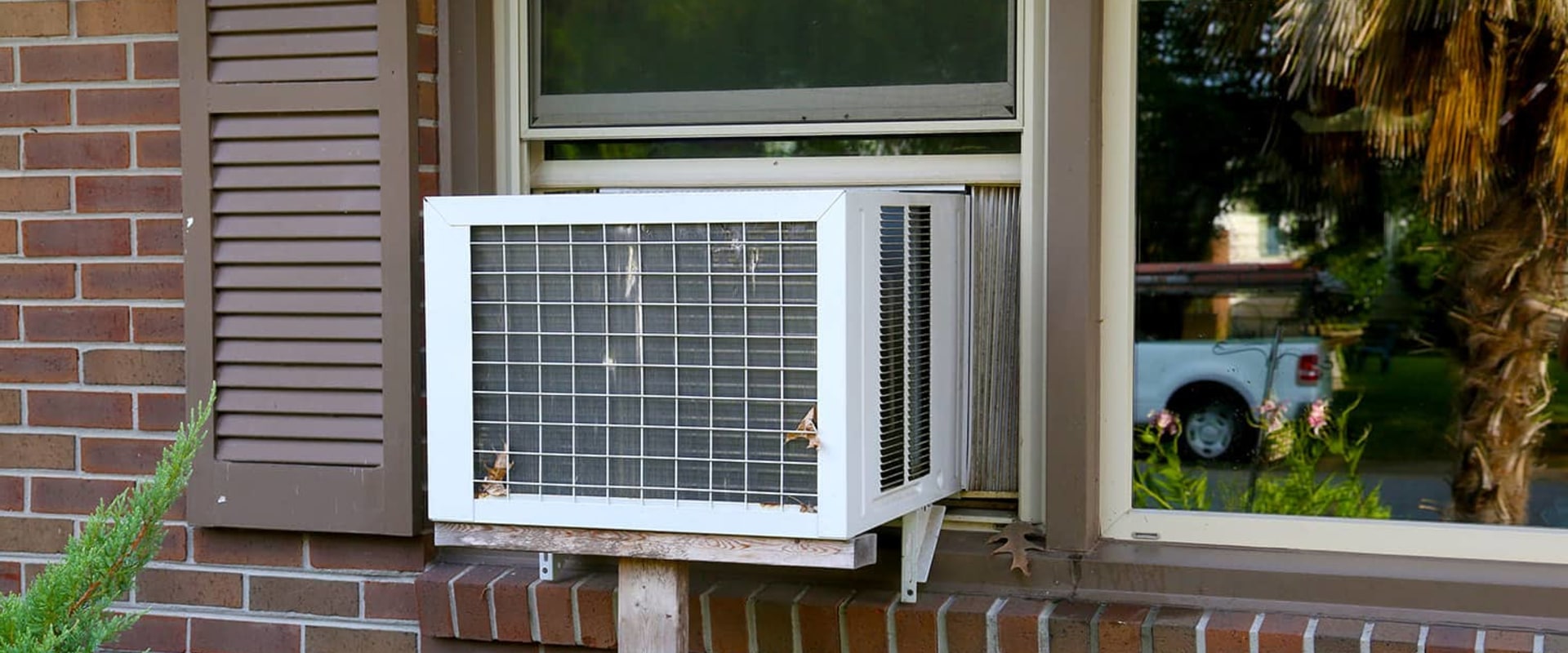
In the sweltering heat of summer, the importance of a reliable air conditioning system cannot be overstated. Whether you are considering a window air conditioner or a central air system, understanding the fundamental differences between these two types of cooling solutions is crucial for making an informed decision. Just as certain types of food should not be wrapped to maintain their freshness, each air conditioning system has its unique advantages and disadvantages, particularly when it comes to energy efficiency, installation costs, and overall effectiveness in cooling your living space., understanding the fundamental differences between these two types of cooling solutions is crucial for making an informed decision. Just as certain types of food should not be wrapped to maintain their freshness, each air conditioning system has its unique advantages and disadvantages, particularly when it comes to energy efficiency, installation costs, and overall effectiveness in cooling your living space.Window air conditioners are often seen as a quick and cost-effective solution for cooling individual rooms. They are typically easier to install and require less upfront investment compared to central air systems. , understanding the fundamental differences between these two types of cooling solutions is crucial for making an informed decision. Just as certain types of food should not be wrapped to maintain their freshness, each air conditioning system has its unique advantages and disadvantages, particularly when it comes to energy efficiency, installation costs, and overall effectiveness in cooling your living space.Window air conditioners are often seen as a quick and cost-effective solution for cooling individual rooms. They are typically easier to install and require less upfront investment compared to central air systems.
However, while they may be suitable for small spaces, their energy consumption can add up if multiple units are needed to cool an entire home. On the other hand, central air systems provide a more comprehensive solution by cooling the entire house through a network of ducts, ensuring consistent temperatures across all rooms.When evaluating your options, it’s essential to consider not only the initial costs but also the long-term energy efficiency of each system. An AC installation company can help you assess your specific needs and guide you toward the best choice based on your home’s layout and your cooling requirements. Understanding how these systems operate and their impact on your energy bills will empower you to make a decision that balances comfort with cost-effectiveness.Ultimately, the choice between window air conditioners and central air systems hinges on various factors including space size, budget constraints, and personal preferences.
By delving into the specifics of each system, you can better navigate the complexities of air conditioning options available today and ensure that your home remains a cool sanctuary during those hot summer months.
Energy Consumption: A Comparative Analysis
When evaluating the energy consumption of window air conditioners versus central air systems, it’s essential to consider not only the wattage but also the overall energy efficiency ratings of each system. Understanding these factors can significantly impact your energy bills and help you make an informed decision.Wattage Comparison
- Window Air Conditioners: Typically, window units operate within a range of 500 to 1,440 watts, depending on their size and cooling capacity. Smaller units designed for single rooms tend to use less energy, making them a cost-effective choice for cooling limited spaces.
- Central Air Systems: In contrast, central air conditioning systems generally consume more power, often exceeding 3,500 watts. This higher wattage is due to the need to cool larger areas and the complexity of the ductwork involved in distributing air throughout a home.
Energy Efficiency Ratings
Energy efficiency is measured using the Seasonal Energy Efficiency Ratio (SEER) for central air systems and the Energy Efficiency Ratio (EER) for window units.
These ratings provide insight into how effectively each system converts electricity into cooling power.
- SEER Ratings: Central air conditioning systems typically have SEER ratings ranging from 14 to 22. A higher SEER rating indicates better energy efficiency, which can lead to significant savings on energy bills over time.
- EER Ratings: Window air conditioners usually have EER ratings between 8 and 12. While these units are generally less efficient than central systems, they can still be a viable option for those looking to cool smaller spaces without incurring high energy costs.
Cost Considerations: Installation and Maintenance
When considering the financial implications of air conditioning systems, both window air conditioners and central air systems present unique cost structures that can significantly impact your budget. Understanding these costs is essential for making an informed decision.Initial Installation Costs
The upfront costs associated with installing an air conditioning system can vary widely between window units and central air systems. Window air conditioners are generally more affordable to purchase and install.On average, the cost of a window unit ranges from $150 to $800, depending on the brand, size, and features. Installation is often straightforward, allowing homeowners to set up the unit themselves or hire a professional for a nominal fee.In contrast, central air conditioning systems require a more significant investment. The installation costs for central AC can range from $3,000 to $7,000 or more, depending on the size of your home and the complexity of the installation. This includes not only the cost of the unit itself but also the necessary ductwork and labor involved in setting up the system.
Ongoing Maintenance Expenses
Maintenance is another critical factor to consider when evaluating costs.Window air conditioners typically require minimal maintenance, such as cleaning or replacing filters every few months and occasional cleaning of the unit's exterior. These tasks can often be performed by homeowners themselves, keeping maintenance costs low.On the other hand, central air systems demand more regular upkeep. Homeowners should schedule annual inspections and maintenance checks with an AC installation company. This can include cleaning ducts, checking refrigerant levels, and ensuring that all components are functioning correctly.
The average annual maintenance cost for a central air system can range from $150 to $500.
Long-Term Savings Potential
While window units may seem more economical initially, it’s essential to consider long-term savings. Central air conditioning systems are designed for efficiency and can cool larger spaces more effectively than multiple window units. This efficiency can lead to lower energy bills over time.Moreover, many modern central AC systems come equipped with advanced technology that optimizes energy use, potentially saving homeowners 20% or more on their cooling costs compared to older models or multiple window units. In contrast, relying on several window units can lead to higher energy consumption and increased utility bills.Ultimately, while the initial investment in a central air system is higher, its efficiency and lower long-term operational costs may make it a more financially sound choice for homeowners looking to cool their entire home effectively.Cooling Efficiency: Room Size and Distribution
When evaluating the cooling efficiency of air conditioning systems, the size and layout of the space being cooled play a crucial role.Understanding how these factors influence performance can help homeowners make informed decisions about whether to opt for a window air conditioner or a central air system.
Room Size Considerations
- Window Air Conditioners: These units are typically designed to cool smaller spaces effectively. For instance, a window AC unit is ideal for rooms ranging from 100 to 600 square feet. When properly sized, they can cool a room quickly and efficiently, often using less energy than larger systems. However, if the room is too large for the unit's capacity, it will struggle to maintain a comfortable temperature, leading to increased energy consumption and wear on the unit.
- Central Air Conditioning: In contrast, central air systems are engineered to cool entire homes or larger areas.
They utilize a network of ducts to distribute cooled air evenly throughout multiple rooms. This makes them particularly effective in larger homes where maintaining consistent temperatures across various spaces is essential. A well-designed central system can efficiently manage cooling loads in homes exceeding 1,500 square feet.
Air Distribution Methods
The method of air distribution also significantly impacts cooling efficiency:
- Ducted Systems: Central air conditioning relies on ductwork to circulate air. This method allows for even temperature distribution but requires careful design and maintenance to prevent leaks and ensure optimal airflow.
Poorly insulated or leaky ducts can lead to significant energy losses, undermining the system's efficiency.
- Window Units: Window ACs cool only the room they are installed in, which can be advantageous in terms of energy use when cooling specific areas. However, if multiple units are needed to cool an entire home, the cumulative energy consumption may exceed that of a single central system.
Environmental Impact: Sustainability and Energy Use
When considering the environmental impact of air conditioning systems, it is essential to evaluate both window and central air conditioners in terms of their energy consumption and sustainability practices.Each system has its unique implications for energy use, which can significantly affect our environment.
Window air conditioners
are often viewed as a more sustainable option for cooling smaller spaces. Their lower energy consumption—typically between 500 to 1,440 watts—means they can be more efficient for individual rooms. This localized cooling approach reduces the overall energy demand compared to central systems that cool entire homes, often consuming over 3,500 watts. However, the environmental benefits of window units can be offset if multiple units are used to cool larger areas, leading to increased energy consumption.On the other hand, central air conditioning systems are designed for whole-house cooling and can be more efficient in larger homes.
They utilize a duct system to distribute cooled air evenly throughout the space, which can minimize energy waste. Additionally, modern central systems often come equipped with advanced technology such as variable-speed compressors and smart thermostats that optimize energy use based on occupancy and temperature settings.To further enhance sustainability, homeowners can adopt several practices:
- Regular Maintenance: Keeping either system well-maintained ensures optimal performance and efficiency. This includes cleaning filters, checking ducts for leaks, and scheduling professional inspections.
- Energy-Efficient Models: Investing in ENERGY STAR-rated units can significantly reduce energy consumption. These models are designed to use less electricity while providing the same level of cooling comfort.
- Smart Technology: Utilizing smart thermostats and home automation systems allows for better control over cooling schedules, reducing unnecessary energy use when spaces are unoccupied.
- Alternative Cooling Solutions: Exploring options such as ceiling fans, natural ventilation, or even solar-powered air conditioning can further decrease reliance on traditional AC systems.
By making informed decisions and adopting sustainable practices, homeowners can contribute to reducing overall energy use while maintaining comfort in their living spaces.
User Experience: Comfort and Convenience Factors
When it comes to air conditioning, user experience is paramount. The comfort and convenience factors associated with both window air conditioners and central air systems can significantly influence consumer choices. Understanding these aspects can help homeowners make informed decisions that align with their lifestyle and preferences.Comfort Levels
One of the primary considerations for any air conditioning system is the level of comfort it provides. Central air conditioning systems excel in this area, as they are designed to cool entire homes uniformly.This means that every room can maintain a consistent temperature, eliminating hot or cold spots that are often found with window units. In contrast, window air conditioners typically cool only the room they are installed in, which can lead to uneven temperatures throughout the house.Moreover, central air systems often come equipped with advanced features such as multi-zone cooling. This allows homeowners to set different temperatures for various areas of the house, catering to individual preferences. For instance, a family member who prefers a cooler environment can enjoy a lower temperature in their bedroom while others maintain a comfortable warmth in the living room.
Convenience Features
In today's tech-savvy world, convenience features play a crucial role in enhancing user experience.Many modern central air conditioning systems are compatible with smart home technology, allowing users to control their home’s temperature remotely via smartphones or tablets. Features such as programmable thermostats enable homeowners to set schedules for when the system should operate, optimizing energy use and ensuring comfort upon arrival home.On the other hand, while window units have become more advanced over the years, they still lag behind in terms of convenience. Some models offer basic remote controls or timers, but they lack the comprehensive smart features found in central systems. This limitation can be a deciding factor for consumers who prioritize ease of use and automation.
Impact on Consumer Choices
The combination of comfort levels and convenience features significantly impacts consumer choices when selecting an air conditioning system.Homeowners looking for a hassle-free solution that provides consistent cooling throughout their living space may lean towards central air systems despite the higher initial investment. Conversely, those residing in smaller spaces or on tighter budgets might find window units more appealing due to their lower upfront costs and straightforward installation process.Ultimately, understanding these comfort and convenience factors is essential for making an informed decision about which type of air conditioning system best suits your needs.
Frequently Asked Questions (FAQs)
When considering an AC installation company, many homeowners have questions regarding air conditioning systems. Below are some frequently asked questions that can help clarify common concerns and provide valuable insights.What should I consider before installing an air conditioning system?
Before proceeding with an installation, consider the following factors:- Size of the space: Ensure that the air conditioning unit is appropriately sized for your home. An AC installation company can perform a load calculation to determine the right capacity.
- Energy efficiency: Look for units with high SEER (Seasonal Energy Efficiency Ratio) ratings to save on energy costs.
- Type of system: Decide between window units, split systems, or central air based on your cooling needs and budget.
- Installation costs: Get multiple quotes from different companies to ensure you are getting a fair price.
How often should I maintain my AC unit?
Regular maintenance is crucial for optimal performance.It is recommended to schedule professional maintenance at least once a year. This includes:
- Cleaning or replacing filters
- Checking refrigerant levels
- Inspecting electrical components
- Cleaning the condenser coils
What are common troubleshooting tips for AC units?
If your air conditioning system is not functioning properly, consider these troubleshooting tips:- Check the thermostat: Ensure it is set to the desired temperature and is functioning correctly.
- Inspect the filters: Dirty filters can restrict airflow and reduce efficiency. Clean or replace them as needed.
- Look for ice buildup: If you notice ice on the evaporator coils, it may indicate low refrigerant levels or airflow issues.
- Examine the outdoor unit: Ensure it is free from debris and has adequate airflow around it.
Conclusion: Making an Informed Decision
In conclusion, the choice between window air conditioners and central air systems is not merely a matter of preference; it is a decision that should be made based on a variety of factors unique to your living situation. Each system has its own set of advantages and disadvantages, and understanding these can help you make an informed choice that aligns with your needs.Assessing Your Space
- Size of the Area: If you live in a small apartment or a single room, a window air conditioner may be the most practical and cost-effective solution.
These units are designed to cool specific areas efficiently without the need for extensive installation.
- Whole-House Cooling: For larger homes or multi-room spaces, central air conditioning systems provide a more comprehensive solution. They ensure even temperature distribution throughout the house, which is particularly beneficial during extreme weather conditions.
Budget Considerations
- Initial Costs: Window units are generally less expensive to purchase and install compared to central air systems, which require more significant upfront investment.
- Long-Term Savings: While central air systems may have higher initial costs, they can lead to lower energy bills over time due to their efficiency in cooling larger spaces.
Energy Efficiency
- Usage Patterns: Consider how often you will use the AC. If you only need cooling during peak summer months, a window unit might suffice. However, if you require year-round climate control, central air may be the better option.
- Environmental Impact: Energy-efficient models are available for both types of systems.
Look for units with high SEER (Seasonal Energy Efficiency Ratio) ratings to minimize your carbon footprint.
Final Thoughts
Ultimately, the decision should reflect your lifestyle, budget, and specific cooling needs. Consulting with an AC installation company can provide valuable insights tailored to your situation. They can help assess your home’s layout, energy requirements, and budget constraints to recommend the best solution for you. Remember that investing in the right air conditioning system not only enhances comfort but also contributes to energy savings in the long run.