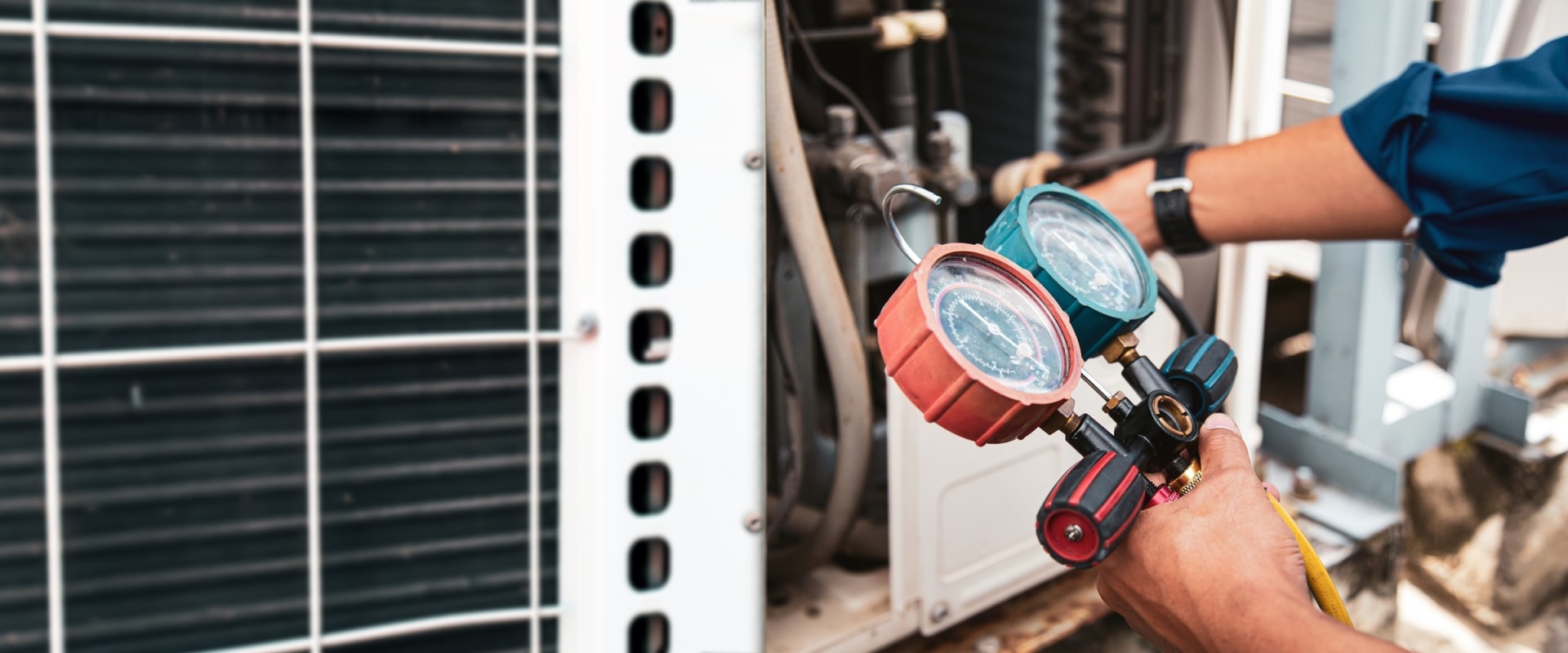
The HVAC industry is undergoing significant transformations in 2023, driven by regulatory changes, technological advancements, and a growing emphasis on sustainability. Homeowners are at the forefront of these changes, as they navigate the implications of new energy efficiency standards and the phase-out of certain refrigerants. Understanding the current landscape is crucial for anyone considering an upgrade or installation of air conditioning systems. With the right information, homeowners can make informed decisions that not only enhance their comfort but also contribute positively to the environment.One of the most pressing changes this year is the complete ban on R-22 refrigerant, a substance known for its detrimental effects on the ozone layer.
As of January 1, 2023, production and importation of R-22 have ceased, making it increasingly difficult and costly for homeowners to maintain older systems that rely on this refrigerant. This shift presents a unique opportunity for homeowners to consider modern alternatives that are not only compliant with new regulations but also more energy-efficient. By partnering with a reputable AC installation company, homeowners can explore options that align with their needs while also being environmentally responsible.Additionally, the Department of Energy has introduced new energy efficiency standards that require all newly installed central air conditioning systems to achieve a minimum Seasonal Energy Efficiency Ratio (SEER) of 14. This marks a significant increase from previous standards and reflects a broader commitment to reducing energy consumption and greenhouse gas emissions. Homeowners who invest in these high-efficiency systems can expect lower utility bills and improved indoor air quality, making it a win-win situation.As we delve deeper into the implications of these HVAC changes throughout this article, it’s essential for homeowners to stay informed and proactive.
The decisions made today regarding air conditioning systems will not only affect comfort levels but also long-term financial and environmental impacts. Engaging with an experienced AC installation company can provide valuable insights and guidance tailored to individual circumstances, ensuring that homeowners are well-equipped to navigate this evolving landscape.
The Phase-Out of R-22 Refrigerant
The phase-out of R-22 refrigerant marks a significant shift in the HVAC industry, driven by environmental concerns and regulatory changes. R-22, also known as hydrochlorofluorocarbon (HCFC), has been widely used in air conditioning systems for decades. However, its detrimental effects on the ozone layer have led to a global initiative to eliminate its use.As of January 1, 2023, the production and import of R-22 have been banned, making it increasingly difficult for homeowners to maintain older systems that rely on this refrigerant.Homeowners with air conditioning units that utilize R-22 should be aware of the implications of this phase-out. As supplies dwindle, the cost of R-22 is expected to rise sharply, leading to higher repair and maintenance expenses for those who choose to keep their existing systems. This situation creates a pressing need for homeowners to consider alternatives before they find themselves facing exorbitant costs or an inability to service their units.Transitioning away from R-22 not only aligns with environmental goals but also opens the door to more energy-efficient and eco-friendly refrigerants. Newer systems are designed to use alternatives such as R-410A or R-32, which have a significantly lower impact on the ozone layer and contribute less to global warming.
These modern refrigerants are part of a broader movement towards sustainability in home heating and cooling.For homeowners contemplating a system upgrade, it is crucial to consult with a qualified AC installation company. These professionals can provide insights into the best options available, ensuring that any new system meets current energy efficiency standards while also being compliant with environmental regulations. Additionally, investing in a new air conditioning system can lead to substantial savings on energy bills over time due to improved efficiency.In summary, the phase-out of R-22 refrigerant is not just a regulatory change; it represents an opportunity for homeowners to enhance their comfort while contributing positively to the environment. By acting promptly and seeking professional guidance, homeowners can navigate this transition effectively and avoid potential pitfalls associated with outdated technology.
New Energy Efficiency Standards for HVAC Systems
In 2023, the HVAC industry is undergoing significant changes due to new energy efficiency standards established by the Department of Energy (DOE).These regulations are designed to enhance the energy performance of heating, ventilation, and air conditioning systems, ultimately benefiting homeowners through reduced energy costs and a smaller environmental footprint.One of the most critical aspects of these new standards is the increase in the Seasonal Energy Efficiency Ratio (SEER) ratings. The DOE has mandated that all newly manufactured central air conditioners and heat pumps must achieve a minimum SEER rating of 14. This is a notable increase from the previous minimum of 13, reflecting a push towards more efficient systems that consume less energy while providing optimal cooling performance.For homeowners, this change means that when considering an AC installation company, it is essential to inquire about the SEER ratings of the systems they offer. Higher SEER ratings indicate better energy efficiency, which can lead to substantial savings on monthly utility bills. In fact, upgrading to a system with a higher SEER rating can save homeowners anywhere from 20% to 50% on cooling costs compared to older models.Moreover, these new regulations are not just about efficiency; they also aim to reduce greenhouse gas emissions associated with energy consumption.
By transitioning to more efficient HVAC systems, homeowners contribute to a larger effort in combating climate change and promoting sustainability.It’s important for homeowners to understand that while the initial investment in a high-efficiency system may be higher, the long-term savings and environmental benefits can outweigh these costs. Additionally, many states offer incentives or rebates for upgrading to energy-efficient systems, making it financially advantageous for homeowners.As you consider your options for HVAC installation or replacement, keep in mind that working with a reputable AC installation company can help you navigate these new standards effectively. They can provide guidance on selecting systems that not only meet but exceed the new efficiency requirements, ensuring you make an informed decision that aligns with both your budget and environmental goals.
Choosing an AC Installation Company: What to Look For
When it comes to selecting an AC installation company, homeowners must approach the decision with careful consideration. The right contractor can make a significant difference in the efficiency and longevity of your air conditioning system.Here are some essential factors to keep in mind during your selection process:
- Certifications and Licenses: Ensure that the company you choose is properly licensed and certified. This not only guarantees that they meet industry standards but also provides peace of mind that they are qualified to perform the installation. Look for certifications from recognized organizations such as the North American Technician Excellence (NATE) or the Air Conditioning Contractors of America (ACCA).
- Experience and Expertise: Experience matters in the HVAC industry. A company with a proven track record is more likely to deliver quality service.
Inquire about how long they have been in business and their experience with different types of AC systems.
- Customer Reviews and Testimonials: Researching customer feedback can provide valuable insights into a company's reliability and service quality. Check online reviews on platforms like Google, Yelp, or Angie's List. Pay attention to both positive and negative reviews to get a balanced view.
- Service Offerings: Not all AC installation companies offer the same services. Some may specialize in residential installations, while others might focus on commercial systems.
Ensure that the company you choose has experience with your specific needs, whether it’s a new installation, replacement, or maintenance.
- Warranty and After-Sales Support: A reputable AC installation company should provide warranties on both their products and services. This demonstrates their confidence in their work and offers you protection against potential issues down the line. Additionally, inquire about their after-sales support; a good contractor will be available for follow-up questions or concerns.
- Transparent Pricing: Before making a decision, request detailed quotes from multiple companies. A trustworthy contractor will provide clear pricing without hidden fees.
Compare these quotes not just on price but also on what services are included.
Cost Implications of HVAC Changes for Homeowners
As homeowners navigate the evolving landscape of HVAC systems in 2023, understanding the cost implications of these changes is crucial. The transition away from R-22 refrigerant and the introduction of new energy efficiency standards will significantly impact both installation expenses and long-term savings.Initially, homeowners may face higher installation costs when upgrading to newer systems that comply with the latest regulations. The phase-out of R-22 means that many existing systems will need to be replaced, as repairs using this refrigerant will become increasingly difficult and costly.New air conditioning units are designed to use more environmentally friendly refrigerants, which can lead to a higher upfront investment.According to industry estimates, the average cost for a new air conditioning system installation can range from $3,000 to $7,000, depending on the size of the home and the complexity of the installation. Homeowners should also consider additional expenses such as:
- Labor costs: Professional installation is essential for ensuring optimal performance and compliance with local codes.
- Permits and inspections: Local regulations may require permits for HVAC installations, adding to overall costs.
- Upgrades to ductwork: In some cases, existing ductwork may need modifications or replacements to accommodate new systems.
- Lower utility bills: With improved energy efficiency ratings, homeowners can save up to 30% on their monthly energy costs.
- Increased home value: A new HVAC system can enhance property value, making it more attractive to potential buyers.
- Tax incentives: Some energy-efficient upgrades may qualify for federal or state tax credits, further offsetting installation costs.
Homeowners should carefully evaluate their options and consult with a reputable AC installation company to ensure they make informed decisions that align with their financial goals.
Environmental Benefits of Upgrading Your HVAC System
Upgrading your HVAC system is not just a matter of comfort; it also plays a crucial role in promoting environmental sustainability. As homeowners become increasingly aware of their carbon footprints, the shift towards more eco-friendly HVAC solutions has gained momentum. Here are some key environmental benefits associated with modern HVAC upgrades.Reduction in Greenhouse Gas Emissions
Older HVAC systems often rely on refrigerants that are harmful to the environment, such as R-22, which contributes to ozone depletion. By transitioning to newer systems that utilize eco-friendly refrigerants, homeowners can significantly reduce their greenhouse gas emissions.Modern refrigerants, like R-410A and R-32, have a much lower global warming potential (GWP), making them a more sustainable choice.
Enhanced Energy Efficiency
New HVAC systems are designed with advanced technology that improves energy efficiency. For instance, systems with higher Seasonal Energy Efficiency Ratios (SEER) consume less energy while providing the same level of cooling or heating. This not only lowers energy bills for homeowners but also reduces the overall demand for electricity, which is often generated from fossil fuels. By upgrading to a system with a SEER rating of 14 or higher, homeowners can contribute to a significant decrease in energy consumption.Utilization of Renewable Energy Sources
Many modern HVAC systems are compatible with renewable energy sources, such as solar panels.By integrating solar technology with your heating and cooling systems, you can harness clean energy to power your home. This not only minimizes reliance on non-renewable resources but also promotes a sustainable lifestyle.
Improved Indoor Air Quality
Upgrading your HVAC system can also lead to better indoor air quality, which is essential for both health and environmental reasons. Newer systems often come equipped with advanced filtration technologies that capture pollutants and allergens, reducing the need for chemical air fresheners and other harmful products. This contributes to a healthier living environment while minimizing the release of volatile organic compounds (VOCs) into the atmosphere.Long-Term Sustainability
Investing in an energy-efficient HVAC system is not just beneficial for the present; it also ensures long-term sustainability.As regulations around energy efficiency and environmental impact become stricter, having an upgraded system will keep homeowners compliant and future-proof their investments. Moreover, many utility companies offer incentives for upgrading to energy-efficient systems, making it a financially sound decision as well.In conclusion, upgrading your HVAC system offers numerous environmental benefits that extend beyond personal comfort. By choosing eco-friendly refrigerants and energy-efficient technologies, homeowners can play an active role in promoting sustainability and reducing their environmental impact.
FAQs About HVAC Changes in 2023
As homeowners navigate the changes in the HVAC industry in 2023, many have questions regarding the implications of these updates. Below are some frequently asked questions that can help clarify common concerns about air conditioning installations and system upgrades.What are the main changes in HVAC regulations for 2023?
In 2023, one of the most significant changes is the phase-out of R-22 refrigerant, which has been banned due to its harmful effects on the ozone layer.Homeowners with systems using R-22 will need to consider replacing their units with more environmentally friendly alternatives. Additionally, new energy efficiency standards require that all newly installed central air conditioners and heat pumps have a minimum Seasonal Energy Efficiency Ratio (SEER) of 14, up from the previous standard of 13.
How will these changes affect my current HVAC system?
If your system relies on R-22, you may face challenges in obtaining refrigerant for repairs after January 1, 2023. This could lead to increased maintenance costs and potential system failures. Upgrading to a new system not only ensures compliance with regulations but also enhances energy efficiency, potentially lowering your utility bills.Should I replace my old AC unit now or wait?
It is advisable to replace your old AC unit before the deadline if it uses R-22. Waiting could result in higher repair costs and limited options for refrigerant. Moreover, upgrading now allows you to take advantage of the latest energy-efficient technologies that can save you money in the long run.What should I look for when choosing an AC installation company?
- Experience: Look for a company with a proven track record in HVAC installations.
- Certifications: Ensure they are licensed and certified to handle HVAC systems.
- Customer Reviews: Check online reviews and testimonials to gauge customer satisfaction.
- Energy Efficiency Expertise: Choose a company knowledgeable about the latest energy-efficient systems and regulations.
Are there any financial incentives for upgrading my HVAC system?
Many local and federal programs offer rebates or tax credits for homeowners who upgrade to energy-efficient HVAC systems.It’s worth researching available incentives in your area, as these can significantly offset installation costs.By addressing these common questions, homeowners can make informed decisions regarding their HVAC systems amidst the changes occurring in 2023. Staying proactive will not only ensure compliance with new regulations but also enhance comfort and efficiency in your home.
Conclusion: Preparing for HVAC Changes in Your Home
As we navigate through the significant changes in the HVAC industry in 2023, it becomes increasingly clear that homeowners must take proactive steps to adapt. The phase-out of R-22 refrigerant and the introduction of new energy efficiency standards are not just regulatory updates; they represent a pivotal moment for homeowners looking to maintain comfort while being environmentally responsible.To summarize the key points discussed:- R-22 Phase-Out: The ban on R-22 refrigerant means that homeowners with older air conditioning systems may face challenges in repairs and maintenance. Transitioning to a new system before the deadline can prevent future complications and costs.
- Energy Efficiency Standards: The new SEER requirements will necessitate that all newly installed systems meet higher efficiency benchmarks. This change not only benefits the environment but can also lead to significant savings on energy bills over time.
- Environmental Impact: Upgrading to modern HVAC systems equipped with eco-friendly refrigerants can help reduce your carbon footprint, contributing positively to climate change mitigation efforts.
- Market Availability: As manufacturers adjust to new regulations, there may be delays in the availability of certain HVAC systems.
Planning ahead ensures that you can secure a reliable installation without unnecessary wait times.
By taking these steps now, you position yourself to enjoy a more comfortable living environment while also being a responsible steward of our planet's resources.In conclusion, staying informed and proactive about HVAC changes is crucial for homeowners in 2023. By understanding the implications of these changes and taking action, you can ensure that your home remains comfortable, efficient, and environmentally friendly for years to come.